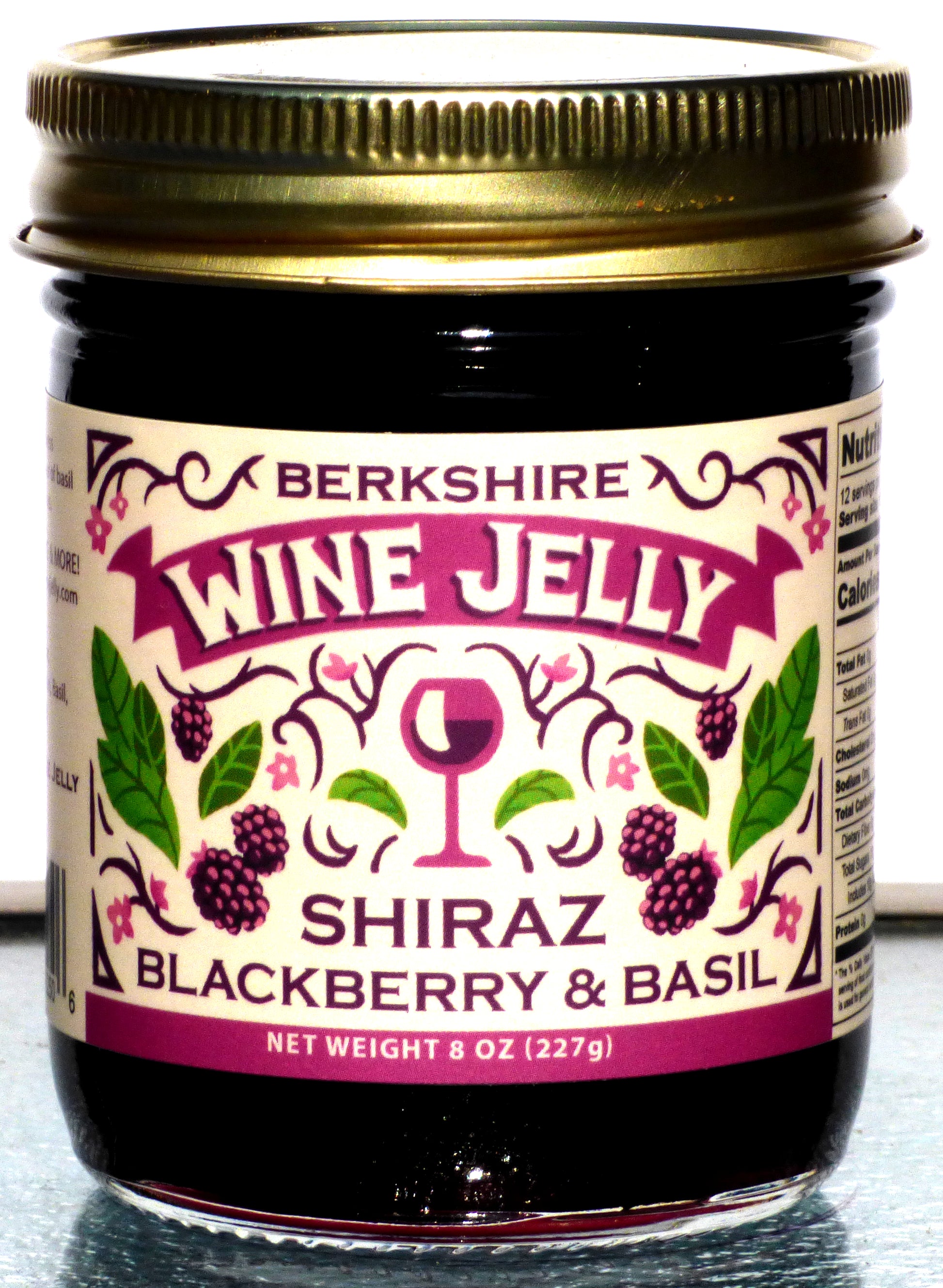

Versatility and Adaptations of the Shiraz Wine Glaze
The basic glaze is: Shiraz Wine Jelly + Soy Sauce + Balsamic Vinegar + Aromatics (Ginger/Garlic)
🐖 1. Uses for Different Pork Cuts
The key difference when using the glaze on smaller or faster-cooking cuts is the timing of the application.
| Pork Cut | Preparation Method | Glazing Technique |
| Pork Tenderloin | Roasting, Grilling, or Pan-Searing | Because tenderloins cook quickly (about 25-35 minutes), only apply the glaze during the last 5-10 minutes of cooking. This prevents the jelly from burning before the meat is done. |
| Pork Chops | Pan-Seared or Grilled | Glaze only during the last 2-3 minutes of cooking, flipping once. Alternatively, use the glaze as a "pan sauce finisher" by swirling a tablespoon into the deglazed pan drippings after the chops are removed. |
| Ribs (Spare or Baby Back) | Slow-Smoked or Baked | Use the glaze as a "mopping sauce" (thinned with extra water/vinegar) during the last hour of slow cooking, or as a final BBQ-style finish when the ribs are nearly tender. |
| Pork Loin Roast (Original Use) | Roasting |
Apply the glaze toward the end of the roasting time around 135 F/57 C internal temperature to allow it to caramelize without burning.
|

🥩 2. Adaptations for Other Meats
By making minor adjustments to the ratio or adding new ingredients, this glaze can enhance various non-pork proteins:
| Non-Pork Application | Adaptation/Adjustment | Flavor Result |
| Chicken/Turkey | Thicken and Brighten: Reduce the soy sauce slightly and add 1 teaspoon of Orange Zest or the juice of half a lemon to complement the poultry. | Sweet, Tangy, and Aromatic |
| Beef Tenderloin/Steak | Deepen and Enhance: Replace the Balsamic Vinegar with Red Wine Vinegar and add 1/2 teaspoon of Worcestershire Sauce or a dash of black coffee to boost the umami and richness. | Robust, Savory, and Complex |
| Lamb Chops | Herbaceous: Add 1 teaspoon of Fresh Chopped Rosemary or Thyme to the basic glaze recipe. | Sweet, Earthy, and Herbal |
| Salmon/Firm Fish | Lighter & Citrusy: Use only 1/2 the amount of Shiraz Jelly. Replace Soy Sauce with Tamari or Coconut Aminos, and replace Balsamic Vinegar with Rice Vinegar. Add 1/2 teaspoon of toasted Sesame Oil. | Umami-rich, Sweet, and Asian-Inspired |

🧀 3. Uses Beyond Meat (Condiments and Appetizers)
The rich, fruity nature of the Shiraz Wine Jelly is naturally suited for non-meat applications, especially in appetizers.
-
Cheese Board Condiment: Use the glaze as is, or let it chill completely so it sets slightly. Serve it next to strong cheeses like Blue Cheese, Aged Cheddar, or Goat Cheese as a sophisticated alternative to traditional preserves.
-
Glaze for Roasted Vegetables: Toss roasted root vegetables (carrots, parsnips, butternut squash) with a tablespoon of the glaze during the last 5 minutes of roasting. This adds a beautiful sheen and caramelized flavor.
-
Bruschetta/Crostini Topping: Spread the glaze lightly on crostini, then top with a dollop of Whipped Feta or Ricotta Cheese.
-
Meatball or Cocktail Sausage Sauce: Thicken the glaze with 1 teaspoon of cornstarch mixed with cold water (a slurry) and use it as a sweet and sour sauce for party meatballs or cocktail sausages served in a slow cooker.
The key to all these uses is that the Shiraz Wine Jelly provides the essential sweet, fruity body, while the soy sauce and vinegar provide the necessary balance to keep it from becoming cloyingly sweet.